Alef EleganTi Anatomic Ti-Base

Product details & FAQ
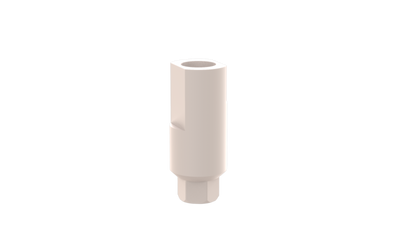
EleganTi is MSDI’s premium range of anatomic Ti-base abutments for CAD/CAM restorations on the Alef implant. The anatomic, concave shape of the base follows the contour of the emergence profile and leaves room for soft tissue and for the bonded restoration. An angled screw channel version allows the screw access to be redirected, which helps in cases where the implant axis would otherwise bring the access hole out through the buccal surface.
Concave Ti-base
The concave Ti-base (Ø4.3 mm, 4.0 mm high) is available in non-rotational (TBNRC05, TBNRC15, TBNRC30, TBNRC40) and rotational (TBRC05, TBRC15, TBRC30, TBRC40) versions, with collar heights of 0.5, 1.5, 3.0 and 4.0 mm.
Angled screw channel Ti-base
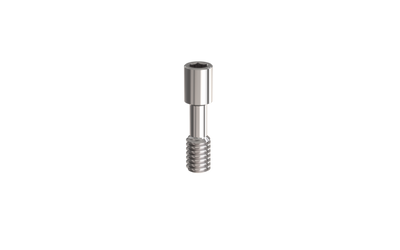
The angled screw channel Ti-base (Ø4.3 mm, 5.0 mm high) is available in non-rotational (TBNRBX05, TBNRBX15, TBNRBX30) and rotational (TBRBX05, TBRBX15, TBRBX30) versions, with collar heights of 0.5, 1.5 and 3.0 mm. It uses a biaxial screw and driver, which are sold separately.
Specifications
- Connection: Alef internal hex, Ø3.5 mm platform
- Diameter: Ø4.3 mm
- Maximum recommended torque: 35 Ncm
- Rotational and non-rotational versions
How to choose
Choose the concave Ti-base for a standard screw channel and the angled screw channel version when you need to redirect the access. Then choose non-rotational for single units and rotational for splinted work, and select the collar height according to soft-tissue depth. The reference code is shown for each combination. Torque values are maximum recommendations and should not replace the clinician’s judgment.
Regulatory
MSDI products meet the highest standards set by the FDA, CE MDR, ISO 13485 and other regulatory bodies. Disclaimer: some products may not have regulatory clearance for sale in specific territories. Please read the instructions for use (IFU) before use.
Frequently asked questions
What is the difference between EleganTi and a standard Ti-base?
EleganTi bases are anatomic and concave; see also the standard Ti-base page.
Which version allows an angled screw channel?
The BX versions (TBNRBX and TBRBX).
Do I need special screws and drivers?
The angled screw channel version uses biaxial screws and drivers, which are sold separately.
Where can I find instructions for use?
At eifu.msdi-dental.com.
Complete your case
Components that are usually ordered with this item.